The £90,000 VAT threshold: every tradesman's cliff edge, explained
How the UK VAT registration threshold works on a rolling 12 months, what crossing £90k really costs a trade business, and a calculator to check your headroom.
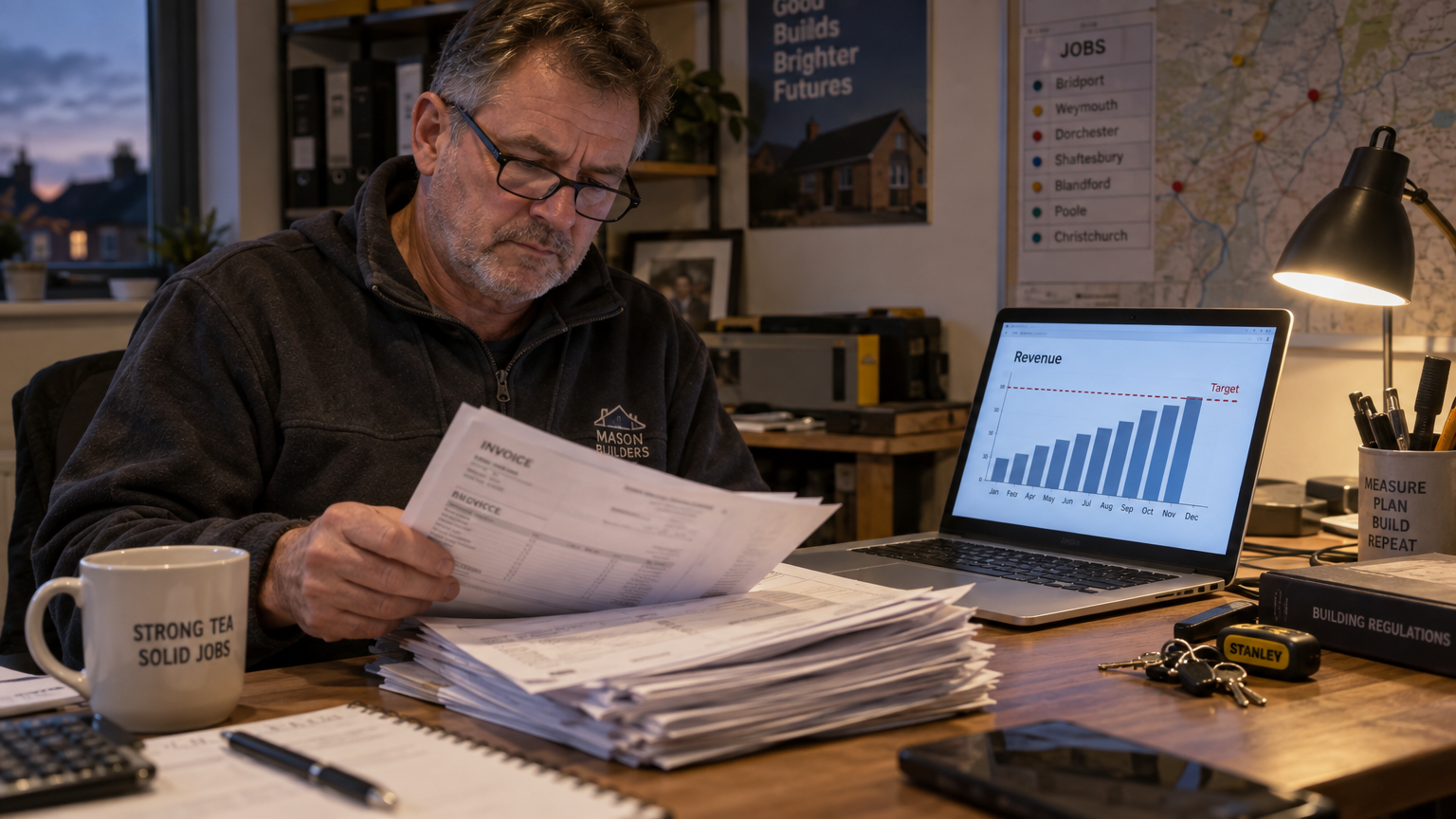
There’s a number that quietly shapes how thousands of UK trades run their year: £90,000. Cross it and you must register for VAT — and for a trade whose customers are homeowners, that can mean becoming 20% more expensive overnight without earning a penny more.
Here’s how the threshold actually works (it’s sneakier than most people think), what it looks like historically, and a calculator to check how close you are.
The rule most trades get wrong
VAT registration isn’t about the tax year. HMRC tests your rolling 12-month turnover at the end of every month. Add up the last 12 months, every month; the moment that total passes £90,000, the clock starts — you must register within 30 days of the end of that month.
That’s why the busy trades get ambushed. A cold snap fills a heating engineer’s winter; by March the rolling total quietly crosses the line, while the “tax year” view still looks safe.
Check your headroom
If you’re in the amber zone, don’t wait: the worst version of this is finding out in hindsight that you crossed months ago — HMRC can backdate your registration and expect VAT on work you already invoiced without it.
How we got to £90,000
The threshold barely moved for seven years while prices — and every tradesman’s material costs — soared:
Because the threshold lagged inflation so badly, “a decent year for a one-man band” and “VAT registered” now describe roughly the same business. This isn’t a big-company problem anymore.
Your three real options at the edge
1. Manage the workload. Plenty of sole traders deliberately sit at £80–85k: fewer jobs, better margins, no VAT admin. The catch — materials count toward turnover. Billing £15k of bathroom fittings you bought for a customer eats headroom that never touched your pocket. (Trick of the trade: on big jobs, have customers buy major materials directly.)
2. Register and reposition. VAT stings customers, but registration cuts both ways: you reclaim VAT on the van, fuel, tools and materials. Combined with moving upmarket — bigger jobs, higher day rates, more commercial and landlord work (who reclaim VAT and don’t care) — plenty of trades come out ahead.
3. Grow through it on purpose. The worst place to sit is just over: all the admin and price pain, none of the scale. If you cross, cross with a plan — a second pair of hands, higher-value work, and marketing that keeps the diary full at the new prices.
Whichever way you lean, decide before the rolling total decides for you — with an accountant, not a forum thread.
Growth you can steer
The uncomfortable truth in all of this: most trades don’t control their growth — work arrives by word of mouth in lumps, and turnover does whatever it wants. A steady, controllable source of enquiries changes that. When your website brings a predictable stream of the jobs you want, you can pick the work that fits the plan — bigger jobs if you’ve registered, premium small jobs if you’re staying under.
That’s the bit we build. Get a free mockup — and keep an eye on that rolling twelve.
Quick answers
What is the VAT registration threshold in 2026?
£90,000 of taxable turnover in any rolling 12-month period. It rose from £85,000 on 1 April 2024, having been frozen since 2017, and has been held at £90,000 since.
Is the VAT threshold based on the tax year?
No — and this catches trades out. HMRC tests any rolling 12 months, checked at the end of every month. A busy winter can push you over mid-year even if each tax year looks under £90k.
What happens if I go over the VAT threshold?
You must register within 30 days of the end of the month you crossed it, then charge VAT (usually 20%) on your work. For domestic customers who can't reclaim it, that's a 20% price rise overnight — unless you absorb some of it in your margin.
Should I stay under the VAT threshold on purpose?
Some trades manage workload to stay under, but turning down work to avoid tax has a real cost too. Others register voluntarily, reclaim VAT on materials, vans and tools, and reposition upmarket. It's a strategy decision — talk it through with an accountant.